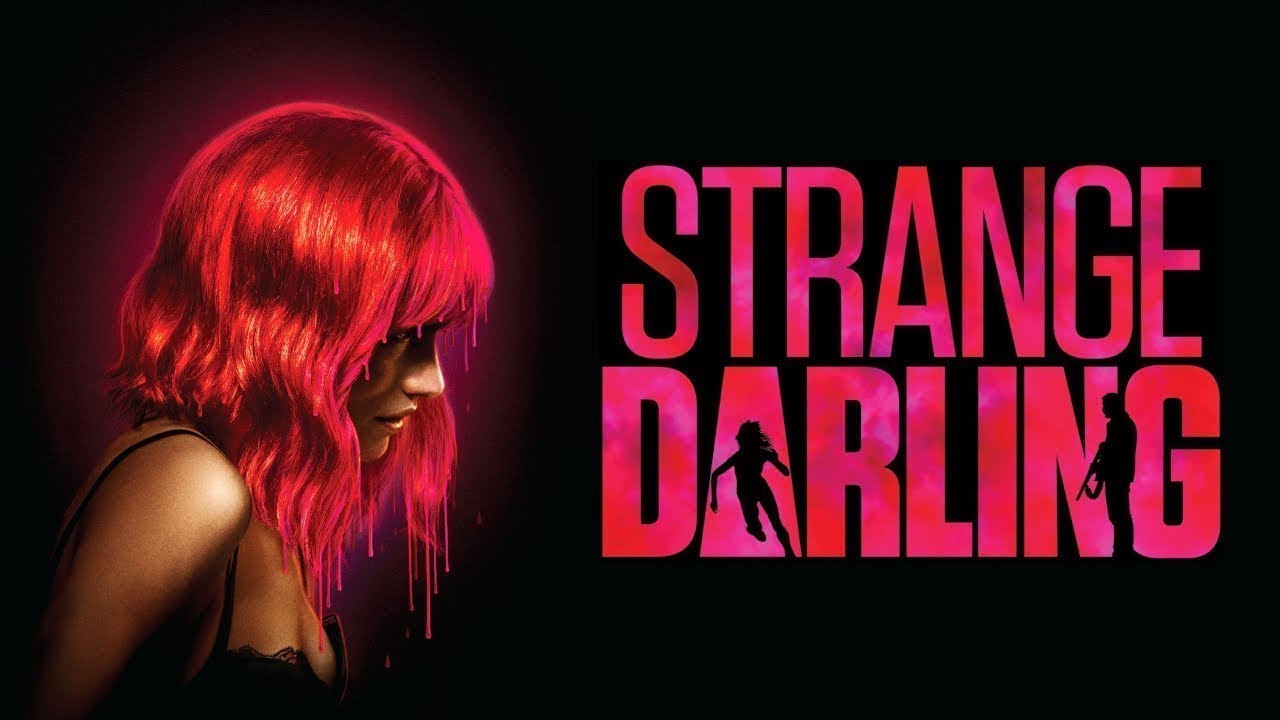
It’s not a stretch to say that the standout and most uniquely crafted film of the past few years is JT Mollner’s frenetic and nonlinear thriller Strange Darling. A menacing and gorgeous display of subversive and boundary-stretching storytelling, Strange Darling is deviant in a way that immediately made me smile wickedly in that ol’ familiar inky darkness of the movie theater. I was on my toes from the opening crawl, as serial killer statistics that most true crime junkies will recognize are droned by Jason Patric’s narrator, certain to become as recognizable as John Larroquette when the film slides into its inevitable cult classic label.
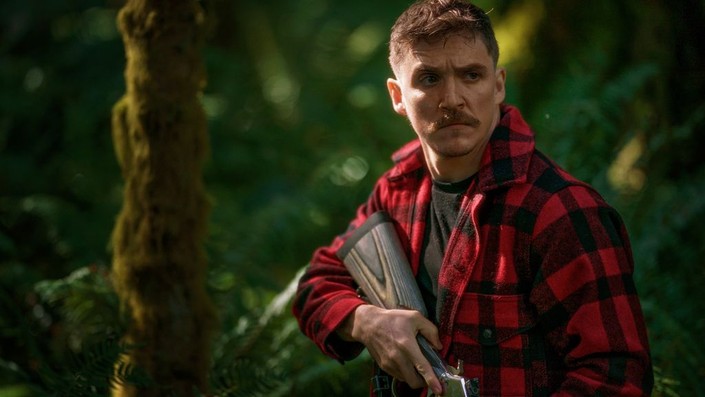
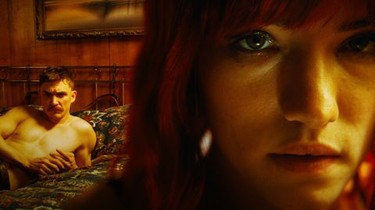
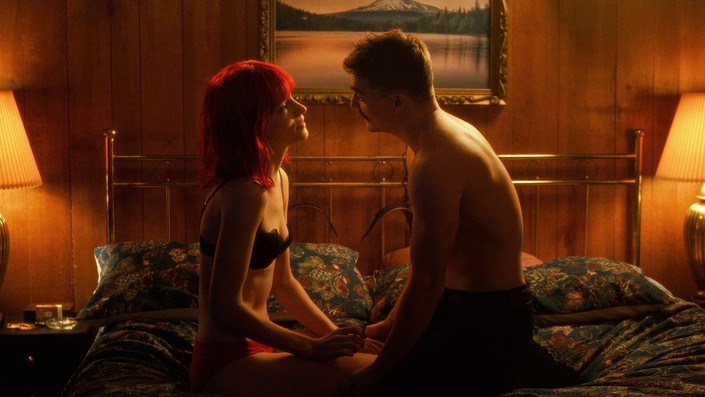
More Tom & Jerry than “cat and mouse,” the relationship between “the Lady” (the astounding Willa Fitzgerald, MTV’s Scream) and “the Demon” (incredibly embodied by Kyle Gallner, Mother, May I, Smile) is an ever-evolving affront to traditional character motivations. These are motivations that are inexorably demanded by execs who think they understand storytelling because they understand the bottom line. Every screenwriter who’s had coverage of any kind can regale you with stories of studio notes asking, “what’s the character’s motivation in this moment!!!???” as if every single human has clear motivations in every moment of every life. That’s not to disregard the need for most characters to have clear motivations, but the problem has emerged that an expectation has been built around screenwriting that because audiences expect certain things, a film can’t thrive without each beat being met.
You may call me biased because I am a screenwriter, and extra-biased because I love writing both non-linear and morally (and motivationally) ambiguous characters. Breaking the rules of narrative structure, expectation, and invisible boundaries that audiences can’t help but unconsciously create with the characters they’re watching is an act of rebellion in modern genre film. It feels dangerous and dirty, appealing to both those horror-loving viewers interminably looking to find such disruptive films and opening a new world to an audience completely oblivious to their own desires to be made uncomfortable.
Kyle Gallner, a steady presence on social media and always the most appreciative actor to exist in the indie genre world, recently called out a Variety post on Twitter (so called since I quit it at least.) Irresponsibly and quite falsely, Variety tweets the following, and Gallner responds in the king manner he is known for (and far more respectfully than I would have if I were still on the platform):
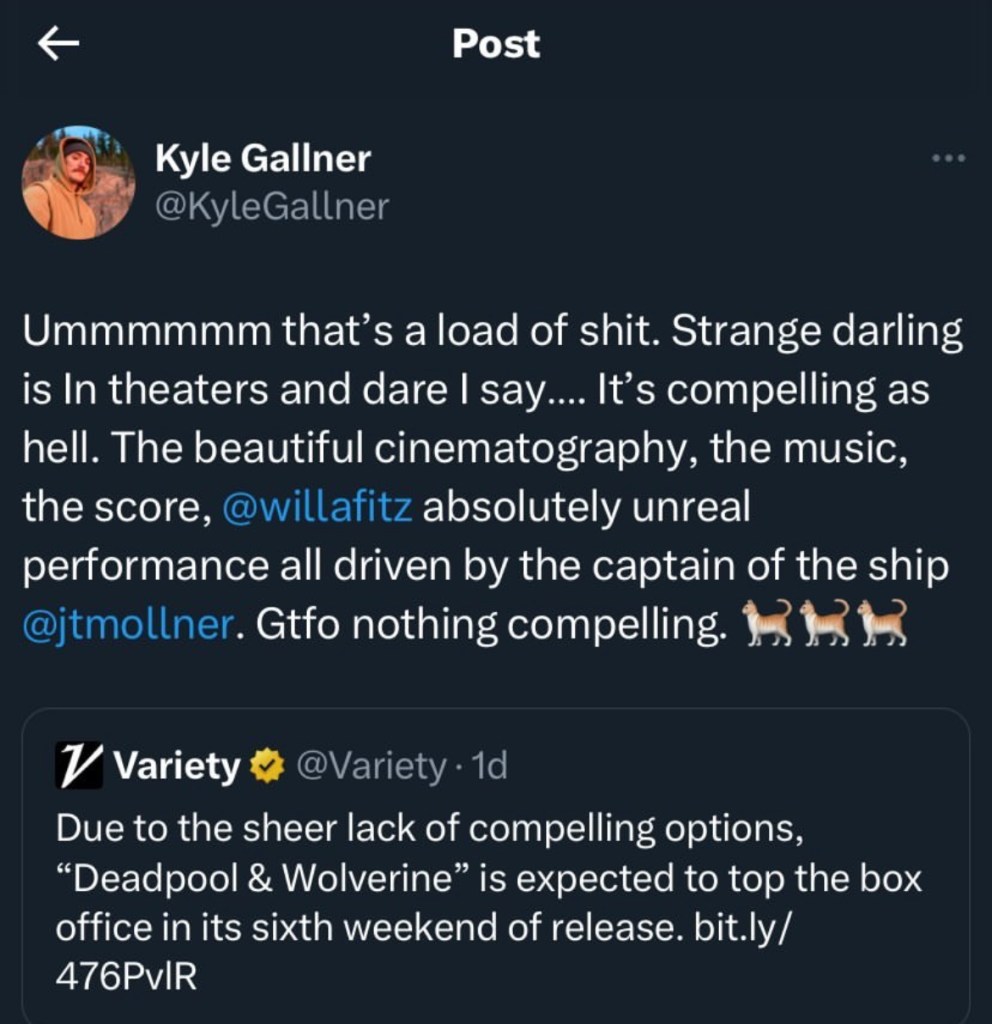
Succinct and straight up, expressing his confidence that Strange Darling is an outstanding indie film in a way that makes his most loyal (and at times undying and lovingly crazed) followers coo, “You’re so cool, you’re so cool, you’re so cool…” Gallner communicates the very frustration that every indie screenwriter, filmmaker, and actor is feeling this very moment. It’s not for a lack of options, but for a lack of awareness that we aren’t being offered “compelling options.”
Gallner has been a staple in the genre world for decades, and as a film critic I’ve been enthralled with his love and advocacy for the indie roles he embodies. From Adam Rehmeier’s incomparable Dinner in America (2020) to Carter Smith’s sweet and horrific The Passenger (2023), I’ve had the joy of wholly trusting Gallner’s choices within the work he chooses to be a part of. On top of that, his boots on the ground mentality when it comes to rallying the troops within his fanbase and spreading the good word of genre indie film is admirable and respectable beyond the millions of dollars that are so often hoisted behind other recognizable talent.
The truth is, for every $200 million retread IP failure, there’s a scrappy labor of love indie film that has been made for nothing and is truly compelling and absolutely worth the time and audience. Often, it’s the genre label that turns viewers off, with so many people ignorantly saying they hate horror while loving SEVEN (1995) and The Silence of the Lambs (1991), fuck it, I’d write a thesis on how Willy Wonka and the Chocolate Factory (1971) is a horror film. But ultimately there’s a broad distrust and disgust around the horror genre (and I’d add thriller/horror to that as well) that generally turns certain audiences off due to the knee-jerk impulse of critics and Hollywood itself to disregard the value of horror.
Whether he wanted to or not, Mollner chose to shirk his responsibility to the money men and trust in his audience to find the value in a truly original film. In a recent Q+A on film website Galerie, Mollner answered a question I had about the film at the script level, wherein I asked if he had push back from Miramax and other money peeps concerning the non-linear fashion in which he wrote the script, to which he replied:
@jerry Thank you! In the development process there was no push back and many financiers wanted to make the movie. Once the cut was finished, it was a different story. Many were afraid it would be hard to understand. The test screenings saved us thankfully, and Bill Block gave us final cut.
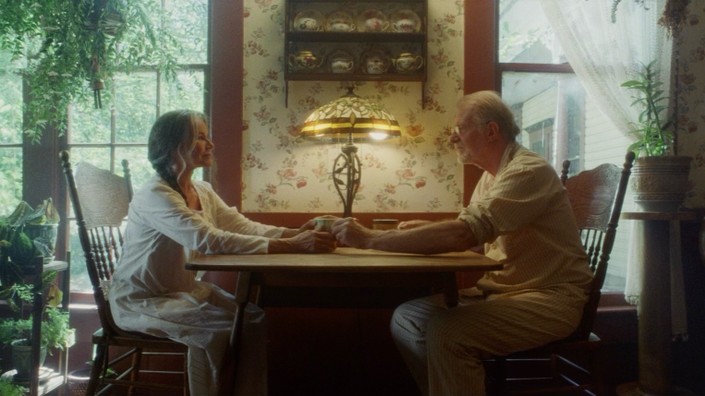
I want to EMPHASIZE how unique and truly unprecedented this sort of support is, and all involved in this smooth ass process should be credited. Also, intrepid collaborators on Strange Darling include cinematographer Giovanni Ribisi, who wisely chose to film on 35mm film and even more wisely opted for a rural Oregon location (always gorgeous, again biased as I’m an Oregonian), musician Z Berg who provides stunning original music, genre-loving producer Roy Lee (Barbarian) and his company Spooky Pictures, and iconic actors Barbara Hershey and Ed Begley Jr.
For filmmakers and film lovers alike, the light at the end of the tunnel remains that off-beat, rule breaking films like Strange Darling always end up finding their audience and flooding the socials with the kind of positive, supportive rallying that no big-budget IP ever will. The outpouring of adoration from genre fans might not immediately reflect in weekly box office receipts delivered by a sadly underrepresented Variety critic pool, but there’s a ripple effect that is inevitable when people support the underdogs. We realize that bonding over fandom is far more productive than fighting over it. And, with original storytelling, as nerve-twisting and mind-fuckedy-fucking as it gets, we as audiences are finding that feeling uncomfortable together is far more fun than feeling comfortable alone.
Strange Darling Rating: 💀 💀 💀 💀 💀/5
 Whiskey & Horror